
Global value creation in transition
Susmata impresses with sustainable fabrics for global markets.
The growing global demand for raw materials for fashion, automotive, and consumer goods is increasingly calling existing production models into question. Resource scarcity, environmental pollution, and regulatory requirements are increasing the pressure on companies to rethink materials.
Sustainable, scalable alternatives to conventional materials are thus becoming a decisive factor for the future of global value chains.
Susmata makes sustainability material.




The Susmata Solution
Susmata AG develops and produces innovative, sustainable materials for international industrial applications. Its focus includes vegan leather alternatives and other materials that replace conventional materials while meeting ecological and functional requirements.
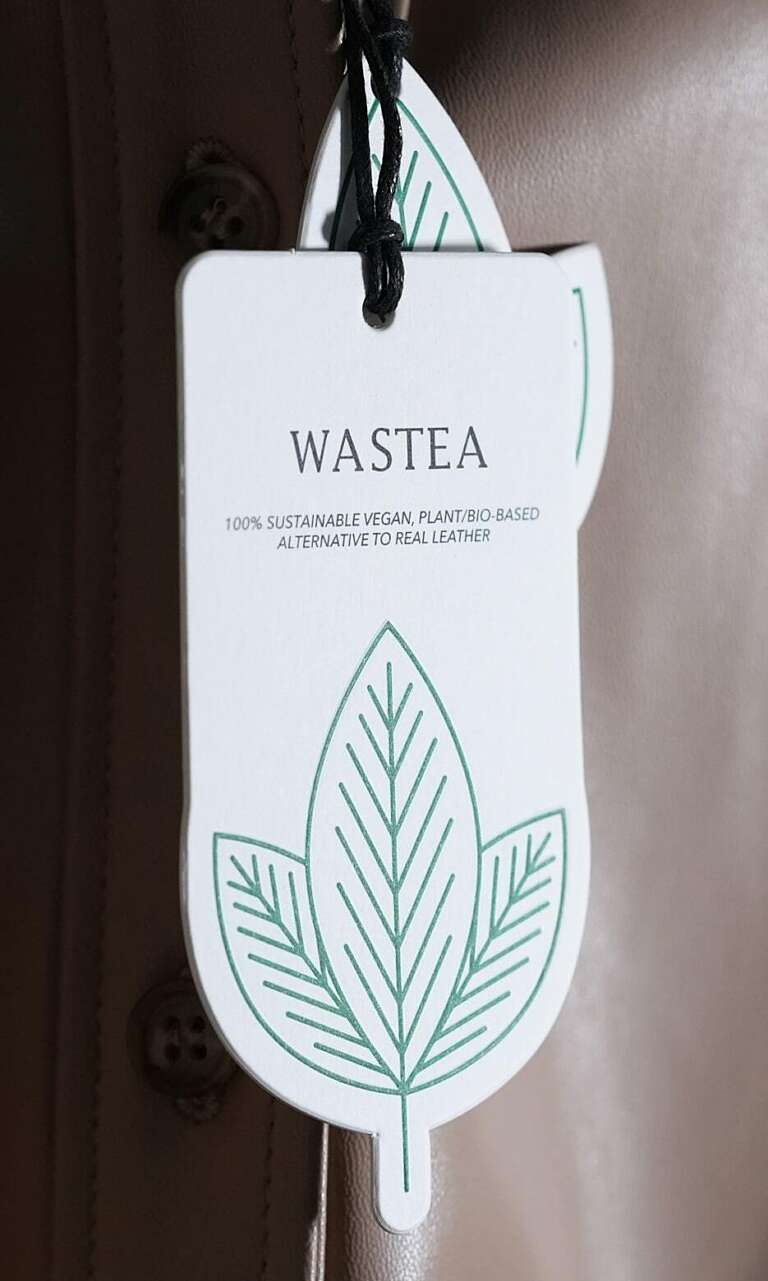
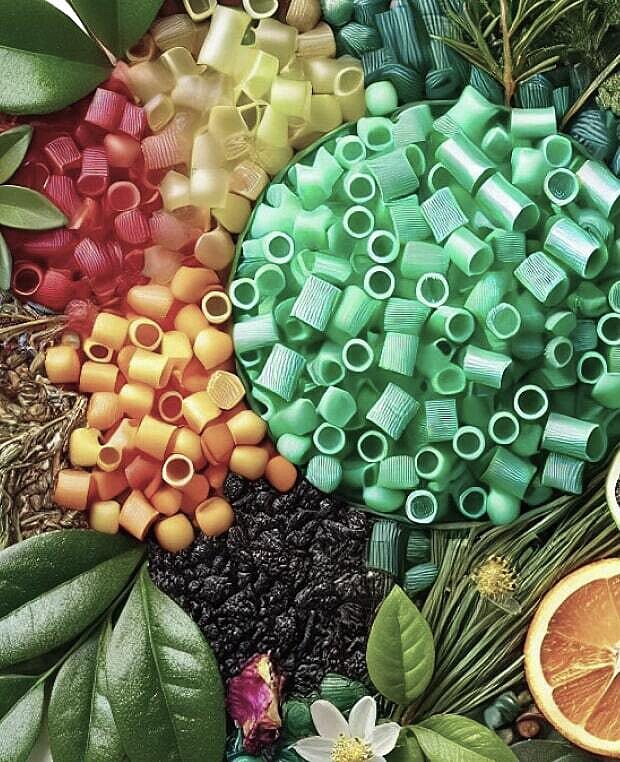
A patented process enables the production of vegan leather from recycled tea waste – completely free of PVC and environmentally harmful plastics. The materials are durable, versatile, and suitable for applications in the fashion industry, the automotive sector, and other consumer goods markets.
At the same time, developments are underway for a substitute for polystyrene and foam based on fungi, as well as for the development of CO2-negative tarpaulins—i.e., tarpaulins that absorb CO2 from the environment—e.g., for trucks.

Innovation along the entire material chain
01
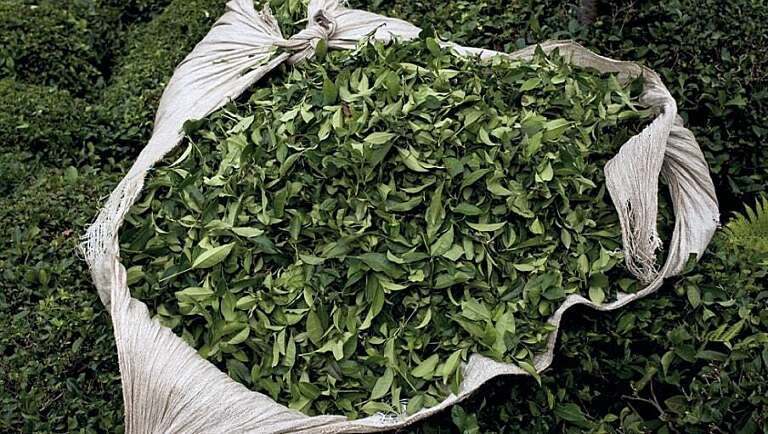
Circular economy instead of raw material consumption
The use of by-products such as tea waste reduces the use of new raw materials and supports closed material cycles.
02

Scalable solutions for industrial applications
Susmata materials meet industrial requirements for quality, design, and availability and can be used internationally.
The contribution to the SDG 17 Goals.
Susmata acts as a connecting element between innovation, industry, and sustainable value creation in line with Sustainable Development Goal (SDG) 17 – Partnerships for the Goals. The materials developed make concrete contributions to several sustainability goals along global supply chains.
Through its collaboration with international customers and partners in the fashion, automotive, and consumer goods sectors, Susmata particularly supports SDG 12 (Responsible Consumption and Production) and SDG 9 (Industry, Innovation, and Infrastructure). Resource-saving manufacturing processes and the use of biodegradable materials also contribute to SDG 13 (Climate Action).
Furthermore, by establishing sustainable production and supply structures, Susmata promotes decent work and economic growth (SDG 8). The responsible use of natural resources also supports the goals of SDG 6 (Clean Water and Sanitation) along the value chain.
You may also be interested in